
Our Latest Articles
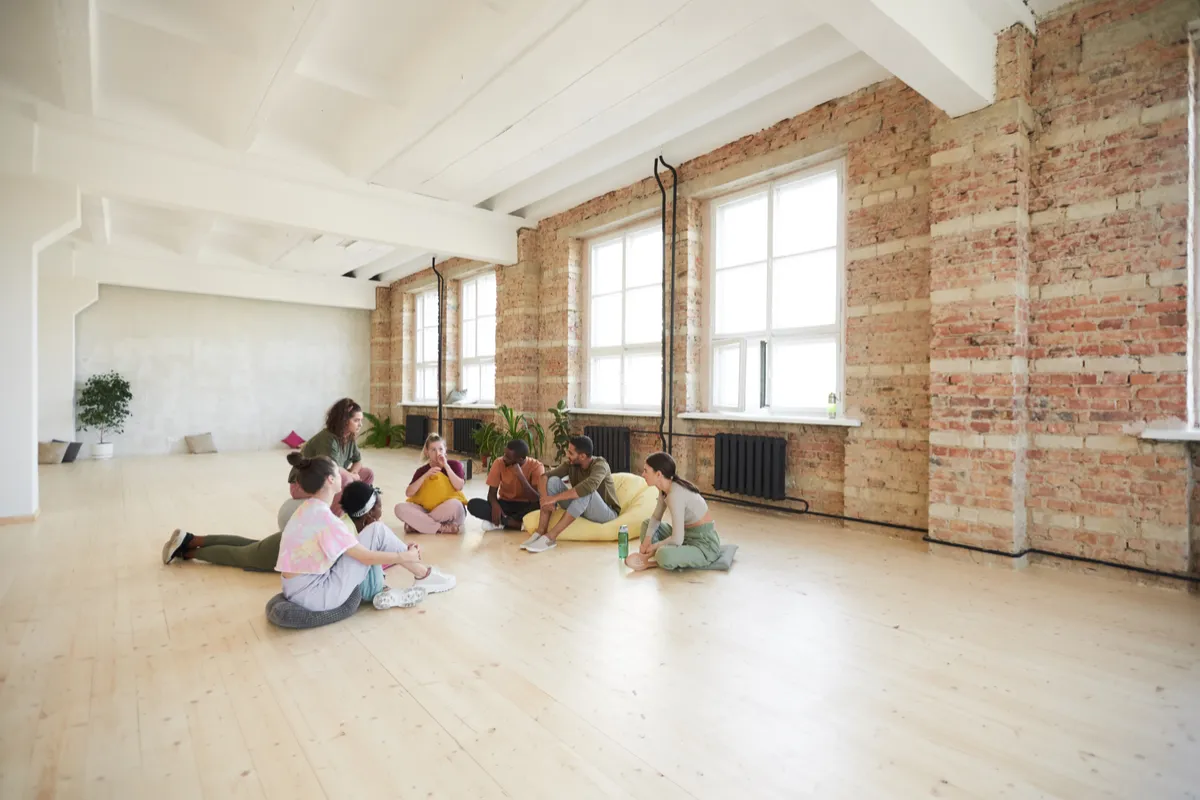
Why Teacher Training Matters for Music-Based English Lessons
Numerous teachers already use music in the classroom. They sing hello songs, play movement games, chant cleanup phrases, and use rhythm to help children remember words. But music-based English lessons become more effective when teachers know why they are using each song, what language children are practicing, and how to support different learners during the activity.
Teacher training matters because young children need more than entertainment. They need developmentally appropriate language experiences that are clear, active, repeated, safe, and connected to communication. For preschool teachers, ESL instructors, Montessori educators, homeschool parents, tutors, and caregivers, training can help turn a fun song into a focused learning opportunity.
From Fun Activity to Intentional Teaching
A song can be enjoyable, but it should also have a purpose. Is the goal to practice greetings? Build vocabulary? Support pronunciation? Help children follow directions? Encourage turn-taking? A trained teacher can make those goals clearer.
For example, a song about snack time might include the phrase “I want water.” Without a teaching plan, children may simply sing along. With intentional planning, the teacher can show a cup, model the phrase, add a gesture, clap the rhythm, invite group repetition, and then use the phrase during a pretend snack role-play.
That shift matters. Children are not only singing; they are hearing, seeing, moving with, saying, and using English.
Supporting Different Learners
Music-based language instruction can be especially helpful in mixed-level classrooms, but teachers still need strategies. Some children may speak confidently. Others may be shy, new to English, bilingual, or still developing classroom confidence.
Training can help educators plan multiple ways to participate. A child may sing the full phrase, repeat one word, clap the rhythm, point to a picture, hold a prop, or act out the meaning. This flexibility can support ESL activities for young learners while also helping native English-speaking preschoolers practice listening, speaking, self-regulation, and social language.
Good training also helps teachers avoid unnecessary pressure. A child who is not ready to speak alone can still participate meaningfully through movement, gestures, group responses, and role-play.
Classroom Management and Safety
Music and movement activities need structure. Children should know when to move, when to freeze, where to stand, how to use props, and how to return to calm attention. Teacher training can help educators lead movement safely and purposefully, especially in small classrooms or active preschool groups.
A clear routine might include a start signal, a movement space, a repeated chant, a stop cue, and a closing phrase. This makes the lesson easier for children to follow and helps teachers keep the focus on language.
Activity: One Song Teaching Check
Try an activity called One Song Teaching Check.
Choose one classroom song or chant you already use. Then ask:
What English phrase are children practicing?
What picture, object, or gesture shows the meaning?
What movement helps children understand the phrase?
How will children repeat it without pressure?
Where can they use the phrase after the song?
For example, if the phrase is “Put it away,” use a toy basket. Say the phrase clearly, chant it with rhythm, model the action, invite children to copy, and then use it during real cleanup time. This helps children hear the language, see the meaning, move with the words, say the phrase, and use English in context.
The Key Takeaway for Educators
Teacher training matters because music-based English lessons work best when they are joyful and intentional. Training can help educators connect songs, movement, rhythm, role-play, and stories to clear language goals, child development, classroom routines, and inclusive participation.
A Musical English-style approach reflects these principles by combining music, movement, role-play, storytelling, performance, and practical language practice. Teachers, educators, parents, guardians, and caregivers can explore Musical English at www.mymusicalenglish.com as a structured approach for bringing these methods into young children’s learning, while keeping expectations realistic and child-centered.
Thank you for taking the time with me to learn more about Musical English, a Early Child Development program
Sincerely,
Keila
For more information on Musical English and our programs, click here to learn how Musical English can help improve the life of your child.
* Click here to protect your privacy and safety on the Internet.

Musical English is a very fun early childhood development program where children learn language and communication along with social skills through the incorporation of vocabulary, song, music, dance, and acting.
Get in Touch!
1835 S. La Cienega Blvd.
Los Angeles, CA 90035
©1997-2026 Musical English
Design by OnlineMarketingExperts.agency